
The home is your safe haven — where you let worries from the hectic day melt away and enter a state of relaxation and peace. It is where you unwind. Recharge. Seek social protection. Your home is where you retreat to at the end of the day.
What if we told you, this experience can be enhanced all the more with interior design?
A well-designed interior can contribute to a space that feels welcoming and relaxing while evoking positive feelings. This is because interior design affects your mood in multiple ways!
Keep reading to learn the top 5 ways how interior design affects the mood — and keep an eye out for tips on how to leverage your interior to improve spirits. So, let’s get started!
Textures Enhance Comfort Levels
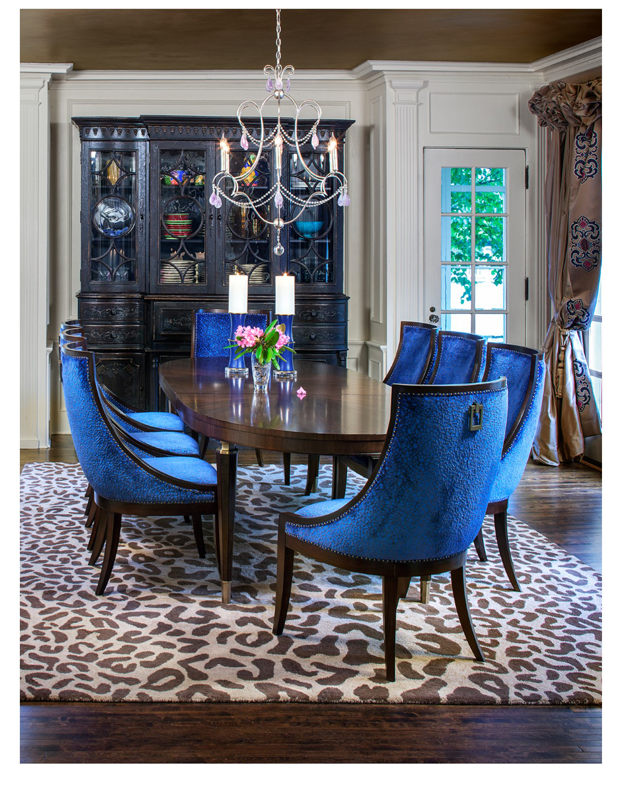
If your interior design lacks texture, you’re missing out on so much! Layering textures in your interior helps add visual weight to the space. Simultaneously, it makes the ambiance warm and inviting. As a result, your interior feels much more relaxing to be in. And the comfort of the soft textures is a bonus, of course!
How to add texture: Incorporate textures in your home by adding plenty of soft furnishings. From sheepskin rugs and linen draperies to faux fur cushion covers and velvet upholstery, there are plenty of ways to achieve the purpose. Bonus points if you opt for natural materials, such as rattan lampshades and wooden flooring.
The Use Of Space Matters
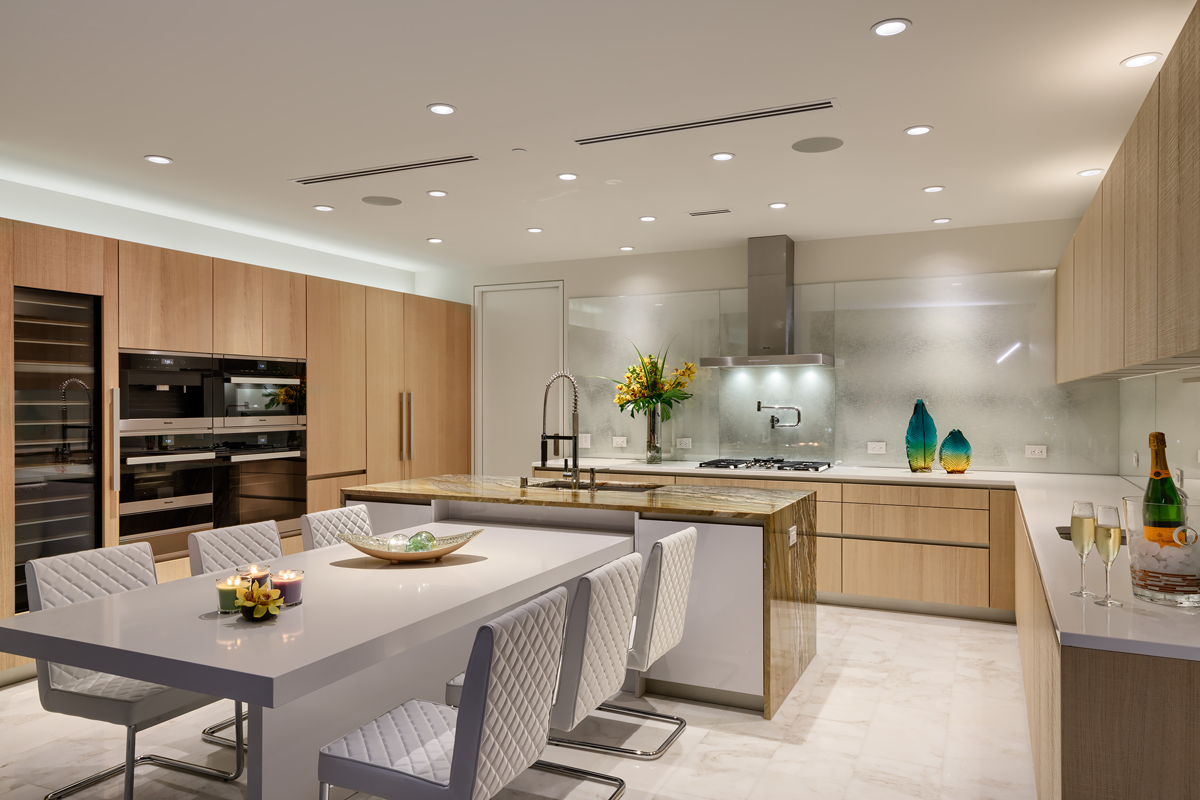
How you utilize your space in interior design (instead of the actual amount of space you have) massively impacts your mood and emotions. This is especially true in terms of clutter.
Cluttered and messy spaces can easily make you anxious or add an element of stress. Think dirty dishes in the sink, kids’ toys scattered everywhere, or a pile of laundry waiting to be folded. On the other hand, too much unused space can instigate feelings of loneliness.
How to make the most of your space: Get rid of clutter and any unneeded items. Finding a new home for items in good condition is a great idea! Simultaneously, make sure your interior is evenly decorated. If your interior feels cramped, use mirrors to open up and brighten your space visually.
Plants and Flowers Have Positive Impacts
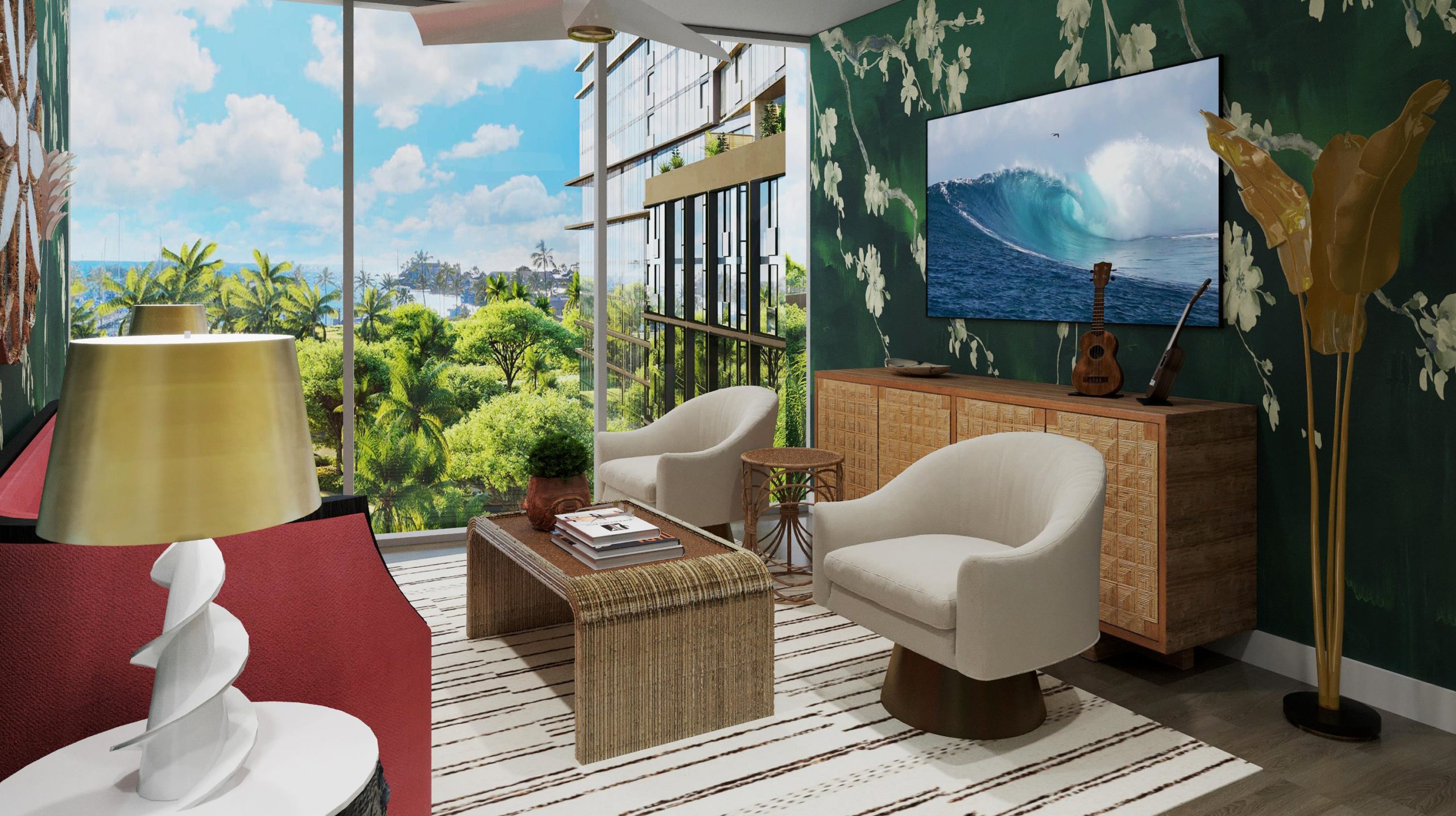
As human beings, we tend to gravitate toward Mother Nature. We are happier while outdoors among natural scenery and vistas. But with evolving times, we often find ourselves confined to the indoors.
In such a scenario, bringing Mother Nature inside can do the trick! Indoor plants and flowers can brighten your mood, make you feel more productive, and enhance your concentration levels. Additionally, studies have shown that indoor plants and flowers positively impact your mental and physical health.
How to bring Mother Nature indoors: Consider growing indoor plants, such as the Golden Pothos, ZZ plant, Heartland Philodendron, Spider Plant, Peace Lily, and Snake Plant. The mentioned varieties are also easy to grow, so you don’t need to worry if you sometimes forget to water your plants. If you have a brown thumb, there are also faux varieties that can serve the purpose. And also — don’t forget bright-hued flowers!
Color Impacts Your Mental Health
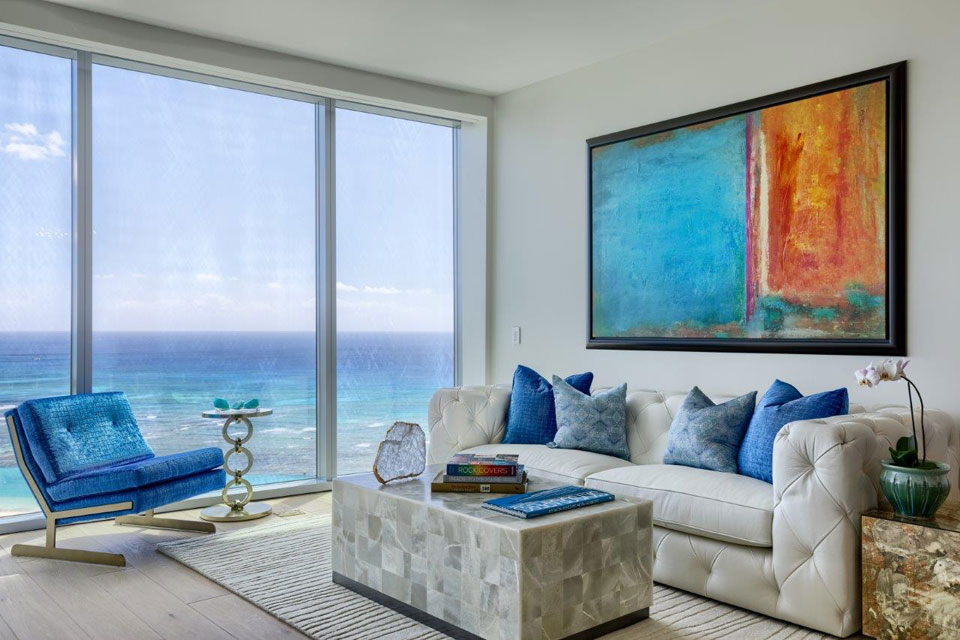
Another very important aspect of interior design is color, and it is no secret that this massively impacts the mood. The way we say “I’m feeling blue” when we’re sad explains the importance!
Each color is associated with a psychological effect, as listed below:
- Yellow is thought to generate positivity, as it is often associated with happiness and sunshine.
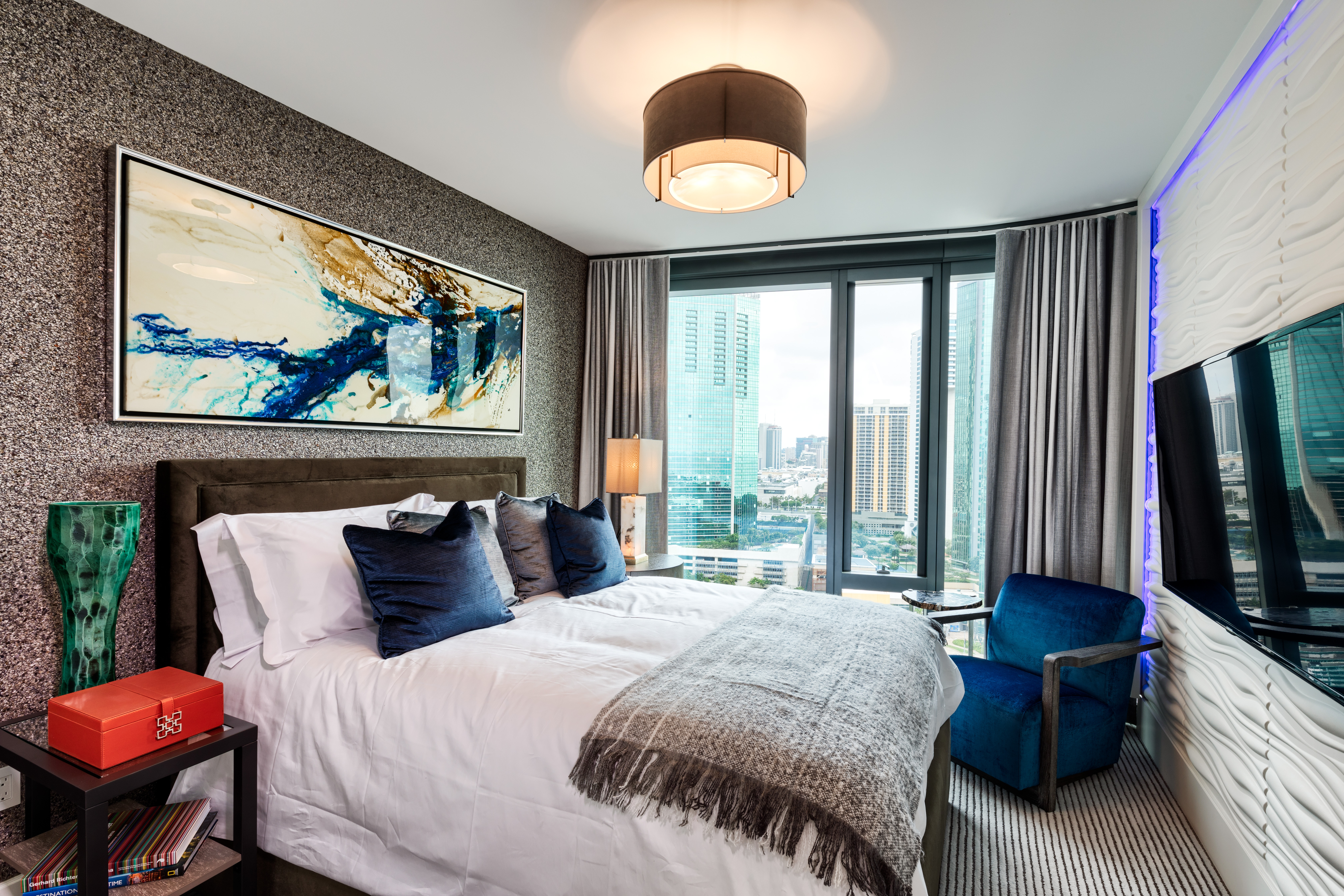
- Blue is a calming and soothing color because it is reminiscent of the serene seaside and skies.
- Red is a fiery color, often depicting energy and love. Be sure not to use too much of it as it can feel intimidating.
- Green is the color of nature, and introduces a sense of stability to your interior.
- Purple is a regal color that instigates feelings of luxury.
- White is symbolic of purity and brightness.
- Brown is a natural and neutral color, perfect to use while mixing hues.
How to leverage colors in your interior: Use the happy color of yellow in your children’s room, the calming hue of blue in your relaxing bedroom, and hints of royal purple in your regal dining room. If you like a bright space, consider using plenty of white. And if you’re in for bold accents, the powerful shade of red will do amazing in controlled amounts! For mixing different colors, add in browns for a seamless blend. The trick is to pick colors that resonate with what you’re looking for in terms of feelings and mix them flawlessly.
Lighting Can Enhance Moods
Finally, lighting also plays an integral role in setting your mood. Well-lit rooms can make us happy, while darker ones can often feel gloomy. Simultaneously, warm-hued lighting has a calming effect, whereas fluorescent bulbs can feel imposing. So, be sure to make the right choices in terms of lighting!
How to make the most of lighting: Leverage your windows during the day, tying away any window treatments and allowing sunshine to illuminate your space. Pair this with artificial lighting, often found in the form of ambient (pendant lights, chandeliers), task (undercabinet lighting, arc lamps), and accent lighting (wall sconces).
Final Words
Interior design affects the mood in multiple ways, with the five most important aspects discussed above. Keep these in mind while sprucing up your space — and enjoy uplifted moods, higher levels of energy, and a greater sense of well-being overall!
Struggling to create a home that positively affects the mood? Get in touch with us today for professional Interior Design Honolulu services and allow us to do our magic!