
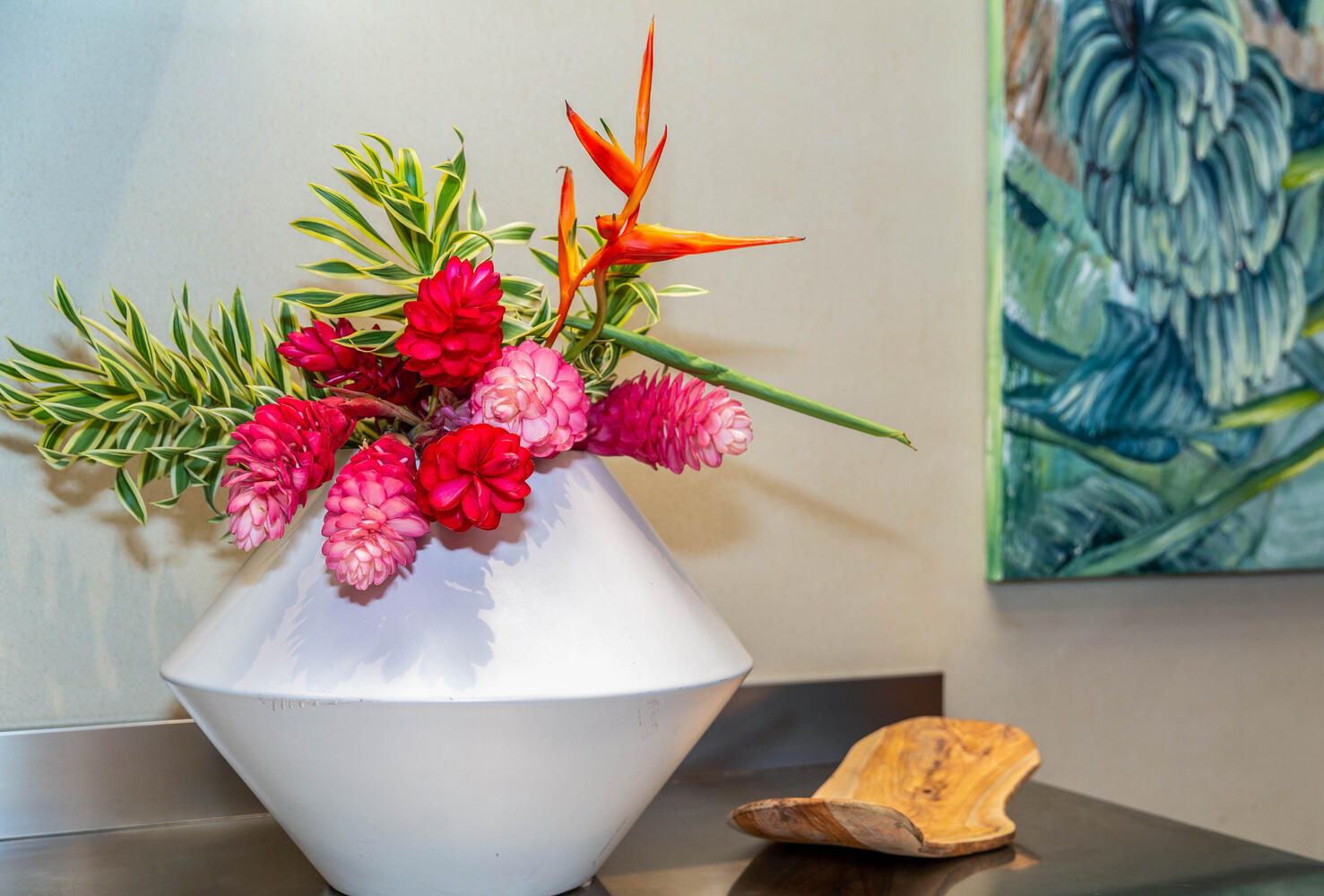
Humans feel more relaxed in nature, and incorporating plants in interior design serves to make a space feel inviting. Plants are powerful. They make customers feel at ease, and they even boost employee morale and productivity. When designing with plants, the intention is everything. You will need to consider the use of space, lighting, and qualities of each individual plant when planning your design.
Here are six tips for effectively using plants in interior design:
1) Pick your planters wisely
Planters will need to be the correct size and configuration to house the plant in question. You should also pay special attention to the design, color and shape. Choose planters that work with the existing decor, or with unique features that add a little extra flavor. Be mindful of the size of the space. Small planters can be dwarfed in a larger space, whereas large planters may overwhelm a smaller area.
2) Consider leaf textures and shapes
The plant kingdom is incredibly diverse; there is a wide variety of unique plants to choose from, and each will impact your overall design differently depending on the shape and quality of the leaves. For example, ferns have a coarse and wild appearance, whereas philodendrons have shiny, smooth leaves. The plant you choose can impact whether a room will look more manicured, lavish, creative, or earthy. It all depends on what look and feel you wish to evoke.
3) Pick the right shade
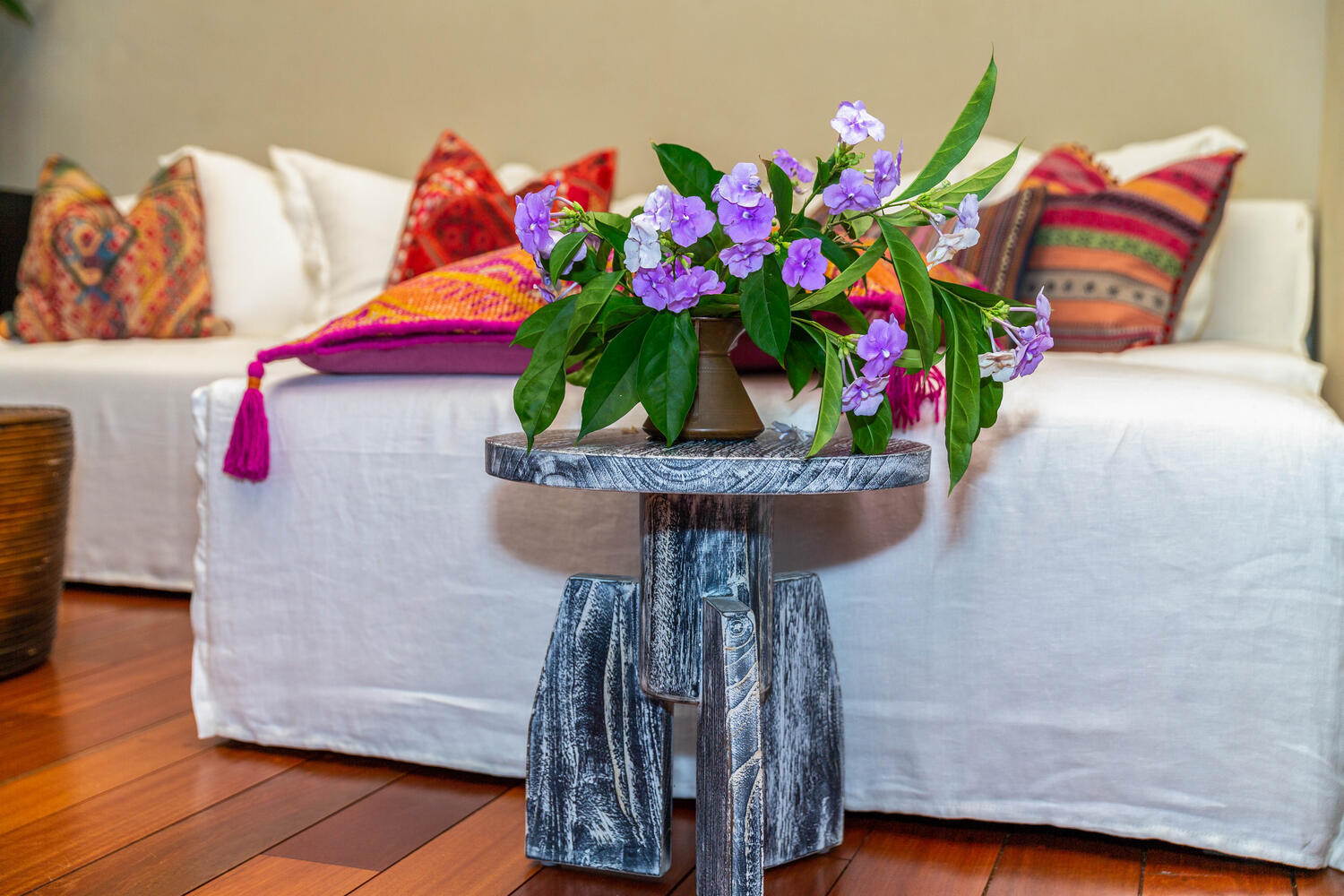
Did you know that the human eye can see more shades of green than any other color? Humans are adapted to pick up on the details of the plants that surround us. Take advantage of this fact by using the multitude of greens to add interest and variety to your design. Additionally, many plants have leaves featuring unusual pinks and oranges. These can add intrigue and excitement to your space.
4) Don’t forget about light placement
Plants act as visual centerpieces, so you don’t want them to be lost in the shadows. When deciding where to place your plants, consider where the existing lighting is or where additional lighting may be mounted. Remember, lighting isn’t just important for highlighting plants; the plants also need an adequate light source to grow and thrive.
5) Place plants to channel traffic or attention
Plants can be used as a clever way to channel traffic or direct attention. For instance, strategically placed planters can lead visitors to the front desk of an office. Consider how the space will be used, and make sure your plant placement is in service to the primary function of the space.
6) Pay attention to blooming cycles
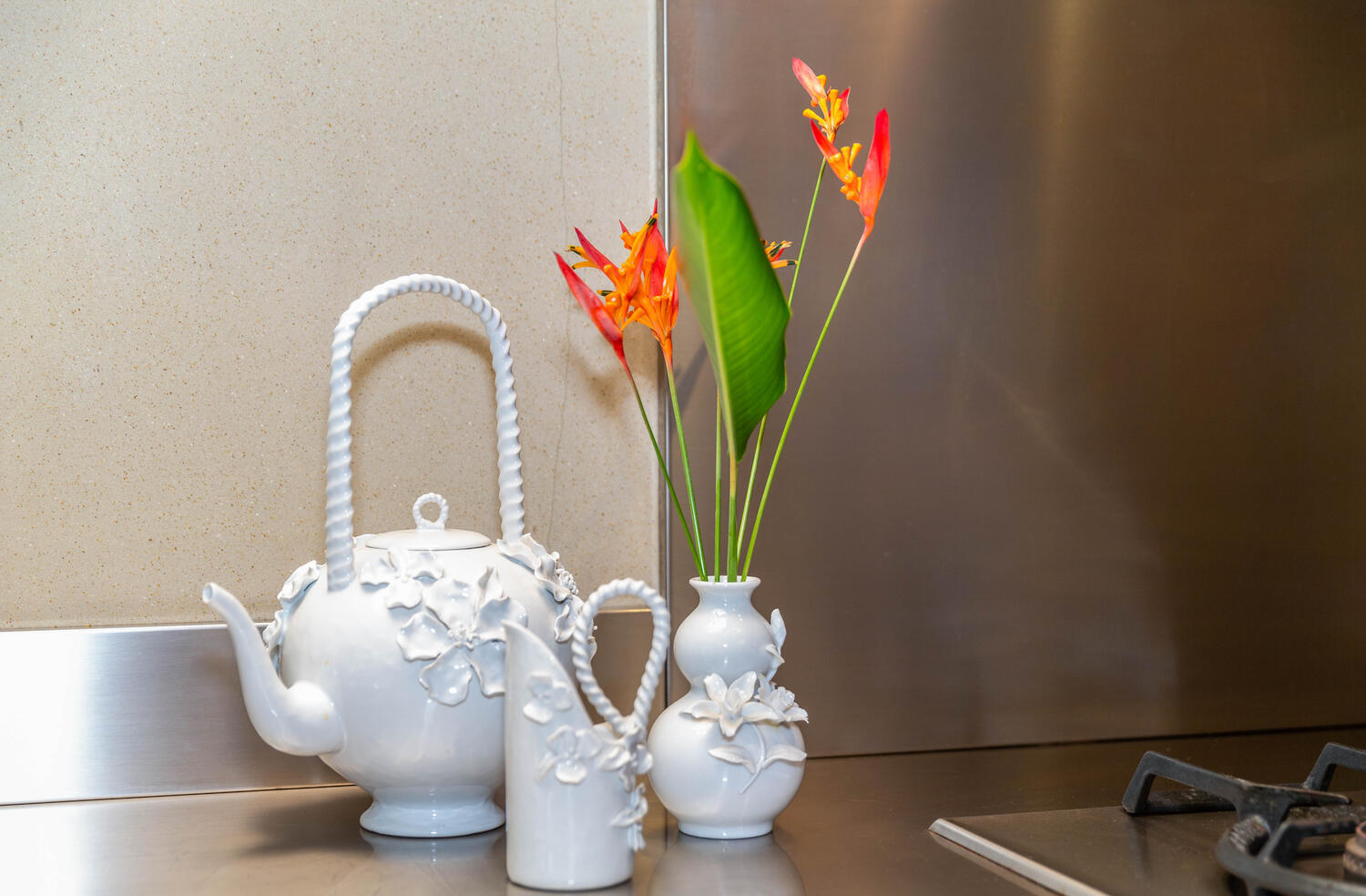
While bromeliads and orchids produce gorgeous flowers, you will need to account for the fact that blooming seasons are temporary and fleeting. Many flowering plants only blossom at particular times. Be mindful of how your design appearance will change throughout the seasons if working with flowering plants.
Enhance Your Design with Plants
Plants are a powerful design element that, when used correctly, can enhance a space. Plants are incredibly diverse, so there’s a lot to consider when incorporating them into a design. Use of space, lighting, and plant qualities must all be taken into account.