
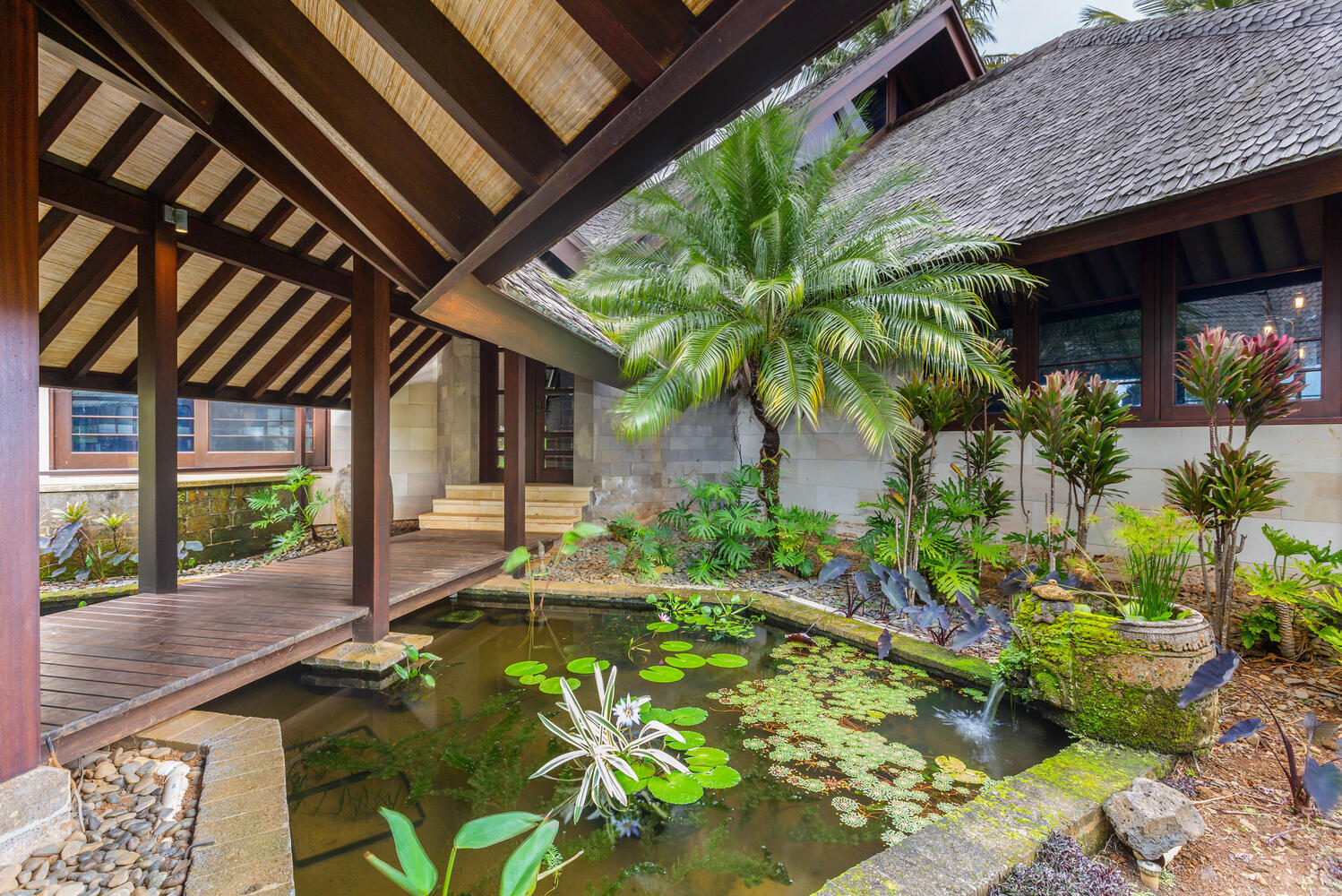
Design trends in home décor come and go. People are always looking for something new and different, something that wakes up their senses and helps them feel happier and more optimistic. An emerging home design trend called biophilic design does exactly that. This approach to designing your home may even be good for your health.
What is Biophilic Design?
Biophilic design is an approach that uses natural elements inside a home or building. Biophilic design brings nature into the home to improve health and well-being and create beauty and comfort. These natural elements could include plants, spaces outdoors, and even the smells of nature. This approach to home design is also referred to as “bio-orienting” design or environmental niche theory.
The principles behind biophilic design are simple. As humans, when we’re exposed to nature, we feel better. The practice itself has been around for centuries but wasn’t named until the 1980s. The ultimate goal of biophilic design is to create spots in your home or workspace where you can feel at one with your environment. It’s a term applied to products like green walls and even entire buildings, but it can also be an aspect of home décor.
If you live in certain areas of the country, you may have limited ability to go outside into nature during the winter, but you can bring nature indoors with biophilic home décor. By doing so, you can boost your happiness, well-being, and mental health.
Let’s look at some ways to bring nature into your home through biophilic home décor.
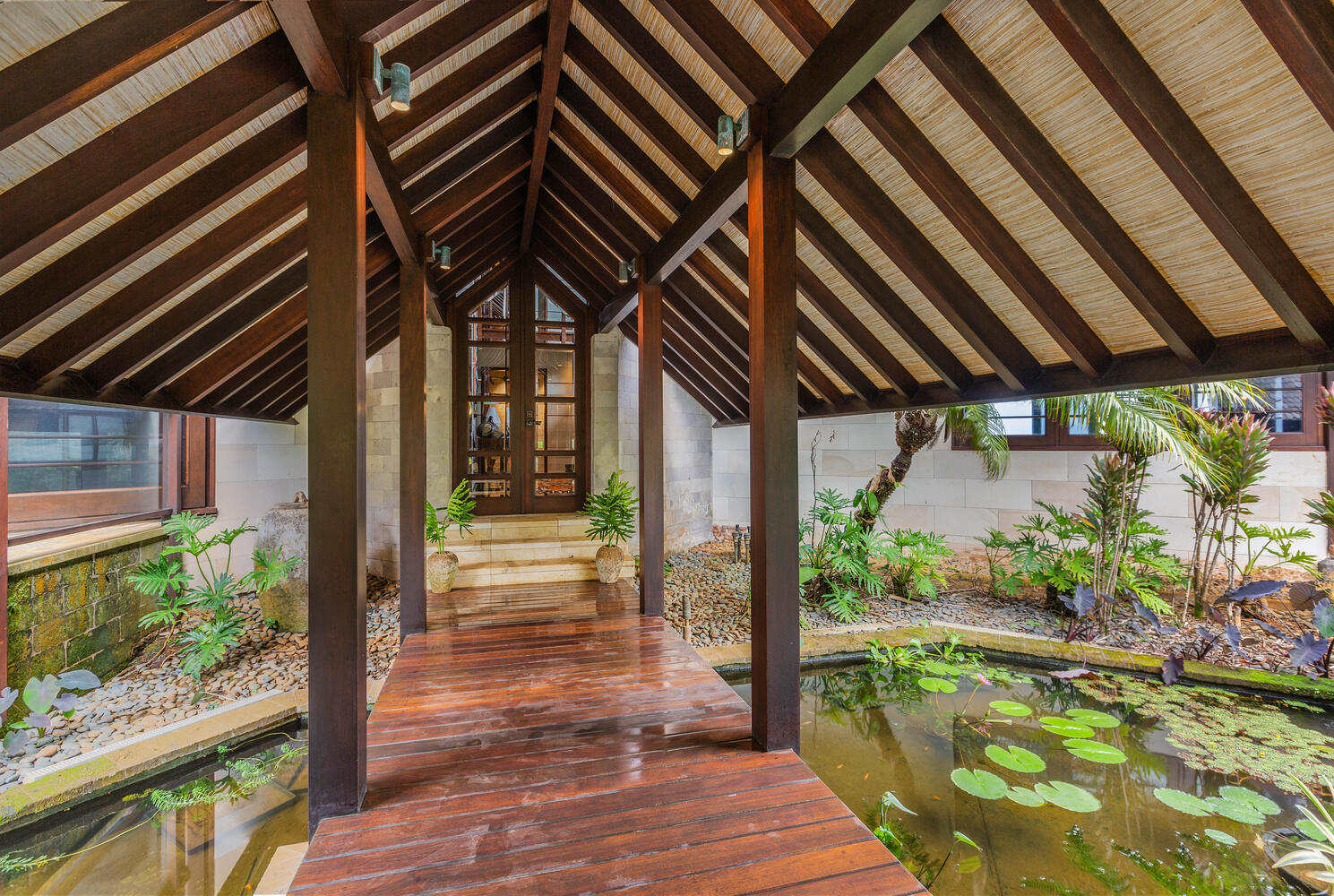
Plants
The simplest way to bring nature in is to fill your home with plants. Not only are plants beautiful, but a NASA study showed that some plants clean the air including English ivy, devil’s ivy, pothos plant, mother-in-law’s tongue, peace lily, Chinese evergreen, flamingo lily, bamboo palm, and more. Keep that list in mind when shopping for house plants.
Green Walls
Green walls and other living walls are a growing trend in interior design. They are known as vertical gardens, because they are almost entirely made of plants. These walls make for a great addition to any room, especially if you have trouble keeping houseplants alive.
Indoor Fountains
Background noise, such as the sound of water, is also an important part of biophilic design. What better background noise could there be than the sound of flowing water? You can get it by installing an indoor fountain. Indoor fountains are not just for decoration but also to help with mental relaxation. The sound of water can help bring about a state of mind where you are relaxed and stress-free. Additionally, the sound of moving water can mask sounds that may be distracting like that buzzing refrigerator or the rumbling of your neighbor’s television set.
Along with offering a calming effect on those who live in your home, indoor fountains can also serve as a decorative focal point. If you choose the right fountain for your home, it can serve more than one purpose by adding visual appeal to your home’s decor and providing a soothing sound to help alleviate stress.
Natural Lighting
When it comes to biophilic design, more light and more natural light are always better. Whenever possible, look for a house with large windows and maybe even skylights. Keep the walls of your home white to reflect the light and make rooms look larger, cleaner, and more spacious. Light walls, openness, and natural lighting create a feeling of calmness and closeness with nature.
Botanical Wall Décor
Botanical prints bring the feeling of nature indoors. You can buy actual prints or photographs, but why not press botanicals from your yard, garden, or greenery from a forest? Frame them and hang them on your walls. You could choose anything from a large leaf or fern to a colorful spring flower. Each time you catch a glimpse, you’ll feel the soothing power of nature.
The Bottom Line
Enjoy nature by bringing it into your home with biophilic design. As you can see, there are various ways to do that, and it doesn’t have to cost a fortune.
References:
NTRS – NASA Technical Reports Server. “Interior Landscape Plants for Indoor Air Pollution Abatement”
“Biophilic Design: The Architecture of Life – Home.” .biophilicdesign.net/.