
Living in Hawaii offers a unique opportunity to harmoniously blend the indoors with the outdoors, thanks to the island’s temperate climate and stunning natural beauty. Whether you’re renovating your space or starting from scratch, integrating your lanai with your living room can significantly enhance your living experience. This article explores essential design strategies to create a seamless flow between your indoor and outdoor living areas, effectively bringing the beauty of Hawaii right into your home.
Design for Cohesion
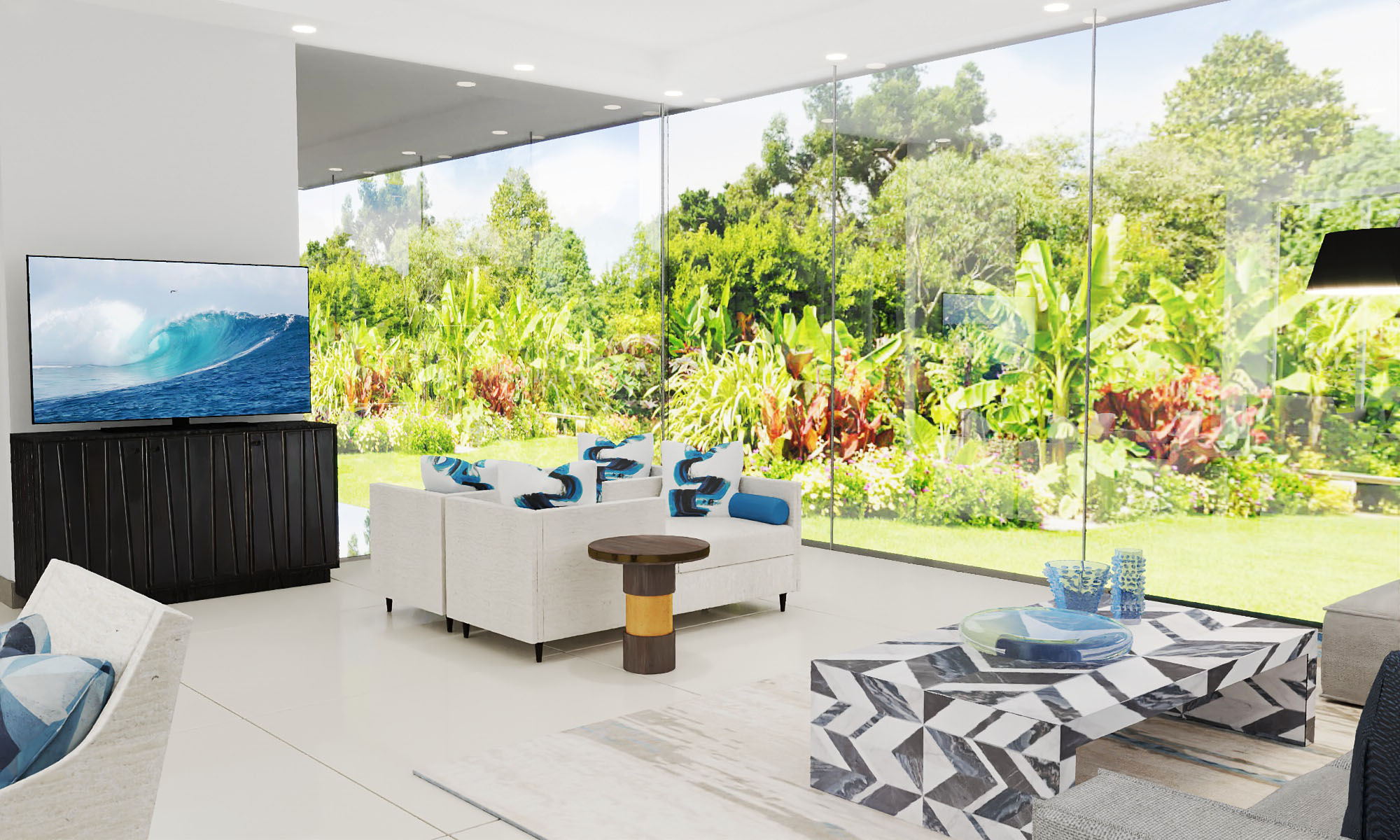
Achieving a fluid transition between your lanai and living room starts with a cohesive design approach. Utilize a consistent color palette that complements both spaces. Earth tones with pops of lush greens or ocean blues can mirror the natural surroundings of the island. Extend this harmony to materials and decor elements such as rattan, bamboo, or teak, which work beautifully both indoors and out, maintaining aesthetic continuity.
Use of Glass and Open Spaces
Incorporating large windows, glass sliding doors, or even fully retractable wall systems can dramatically open up your space, blending the boundaries between inside and outside. These features not only enhance the visual connectivity but also allow natural light to flood both areas, making them feel more expansive and inviting.
Consistent Flooring
Flooring plays a pivotal role in uniting indoor and outdoor spaces. By extending the same flooring from your living room to your lanai, you create a sense of continuity that makes both areas feel like one unified space. Materials like porcelain tiles that mimic natural stone or hardwood can offer durability against weather elements while maintaining the elegance suitable for both environments.
Covered Outdoor Areas
To maximize the functionality of your outdoor space throughout the year, consider integrating covered areas such as pergolas or extended roofs. These structures provide essential protection from the intense midday sun or occasional rain showers, making the outdoor space more versatile and usable regardless of weather conditions.
Furniture and Accessories
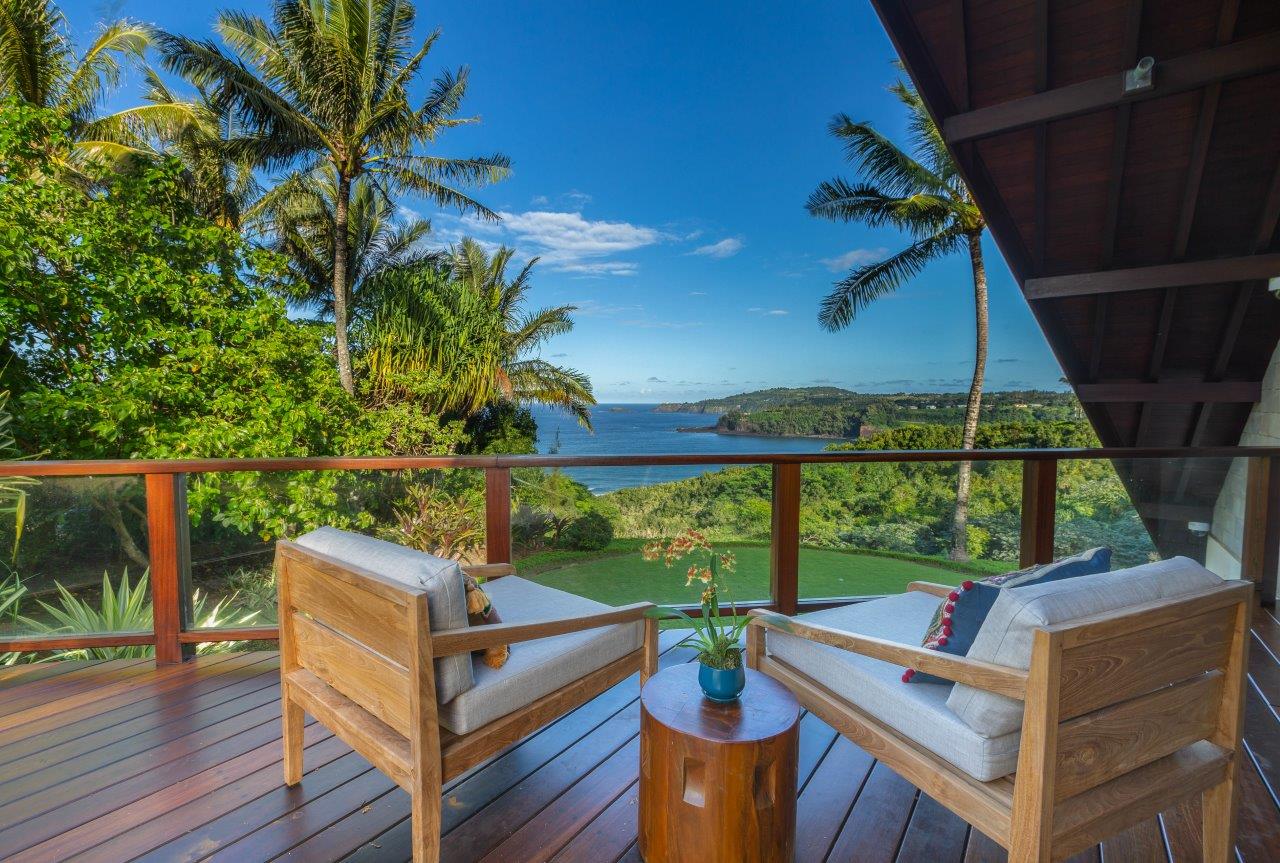
Select furniture that can easily transition between the indoor and outdoor environments. Opt for high-quality outdoor furniture that offers the comfort of indoor furniture but with weather-resistant properties. Upholstery in sun-resistant fabrics and furnishings with moisture-resistant finishes will ensure longevity and maintain style.
Natural Elements and Plants
Blurring the lines between indoor and outdoor spaces can be further achieved by incorporating a variety of potted plants, hanging planters, and even small trees inside and outside your home. Choose species that thrive in Hawaii’s climate and complement the overall design of your space, such as ferns, orchids, or palm plants.
Lighting for Atmosphere
Lighting is crucial for creating the right ambiance and linking the indoor to the outdoor. Use soft, warm lights to make both spaces feel cozy and unified after sundown. Installing outdoor lanterns, LED strip lighting under furniture, and smart outdoor lights that mimic the style of your indoor lighting can enhance the visual flow and functionality.
Merging indoor and outdoor living spaces in Hawaii not only maximizes your living area but also enhances your enjoyment of the island’s natural charm. By considering elements like design cohesion, functional materials, and strategic use of space, you can transform your home into a seamless indoor-outdoor sanctuary. Embrace these ideas and watch as your living space expands beyond its walls, offering a daily living experience that is as breathtaking as the landscape around it.