
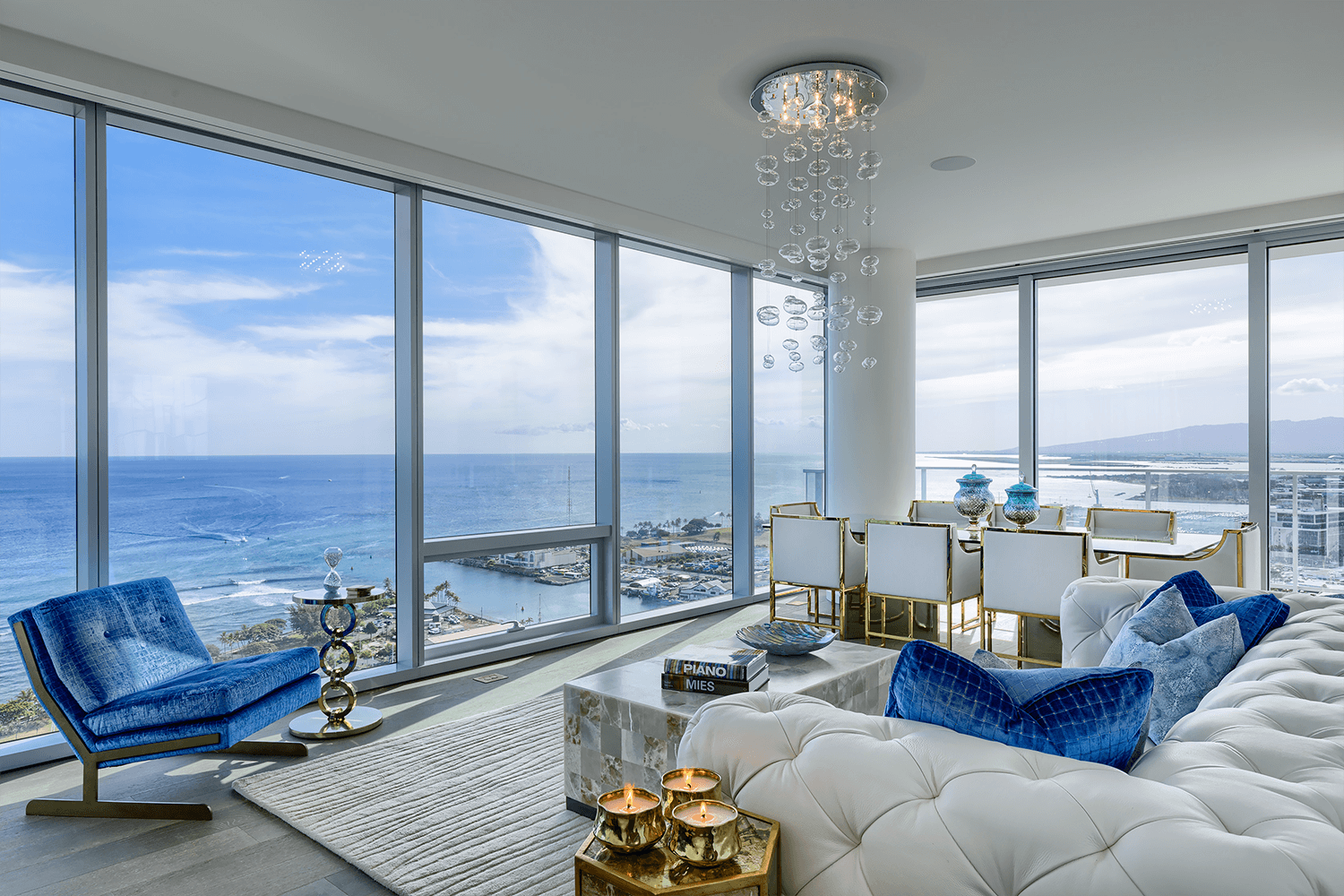
Most homeowners long to create a beautiful, functional space. A huge part of both function and appeal is the flow of a room. This article is a specific, actionable guide for homeowners looking to create that lovely, sometimes elusive “flow.”
The first step towards achieving flow is to understand the concept, then imagine it around you.
What is “Flow” or “Design Flow?”
To create a “design flow” is to establish a visual link between the interior spaces or separate rooms in a home. You can achieve it by repeating the color pallet and continuing architectural details from one room to the next.
It also helps to select furniture that embodies a specific style through the whole home. For instance, you won’t be able to achieve flow if one room is “Boho” and the next feels nautical.
How to get it done:
- Start in one room, and from this room to the next use continuous furniture styles. Perhaps you prefer a particular wood, stain or color finish.
- Use the same drawer pulls, handles and foot style on every piece in a room.
- Consider the room’s space, how traffic flows from this room to the next, and how one area relates to others.
But there’s more to flow than wood colors and a traffic pattern. Open spaces and movement of air throughout a room are essential too.
How to Accomplish “Flow” in a Single Room
To get started, you’ll need to envision the room as an empty space. Clear out everything — or almost everything — so it feels like a blank canvas. Then look at the specific details like:
- The windows and the slant of natural light throughout the day
- Location and style of significant light fixtures
- The direction hardwood floor or laminate planks
- The size and type of tiles
- Walk-through traffic patterns
- Built-in amenities like bookshelves, fireplaces and staircases
The way you approach a room to create a flow depends on the structure of the room.
Imagine a living room with big bay windows on one wall and a dominant fireplace on the opposite wall. If you plan on using the fireplace, your furniture placement options are limited.
Let’s think about it:
- If your family enjoys television in the living room (who doesn’t?), the TV cannot be opposite the big bay window. You’ll always have a glare.
- Set your furniture to take advantage of either the view from the window or the fireplace’s comfort.
- Finish the interior with lovely accessories and artwork.
However, if you decide to neutralize the fireplace, you could have more options. It all depends on whether you’d like to keep it as a focal point in the room.
Tips to Create Flow in a Room
Start with a focal point. It may be the fireplace, a picture window, the entertainment center or any other significant feature — even a piece of furniture, chandelier or sculpture.
- Remember, a focal point must be visually interesting. Perhaps it has vivid colors, immense size or interesting textures.
Then place your furniture to support that focal point, and encourage a smooth flow around the room.
Still, remember these furniture-placement “don’ts”:
- Never block doorways or walkways
- Don’t place a single chair directly in front of fireplaces
- Don’t crowd furniture, there should be a little wiggle room between each piece.
Finally, be sure cabinet doors and drawers can all open and have plenty of room to move around while open.
Some Interior Design Rules are Made to Be Broken
Some families love a fireplace. A roaring, crackling fire can create a cozy, homey place to gather with loved ones. Other families are too busy traveling to light the fire together. Perhaps you live in an area of California that has strict burning ordinances these days.
Maybe the fireplace doesn’t even work! The point is that you don’t need to be a slave to the architecture of a room.
Sometimes, homeowners need help thinking through their interior design concepts. If you’re wondering if a massive fireplace or looming chandelier is worth keeping, try a one-on-one consultation with a certified interior designer.
This service comes in handy if you become overwhelmed with interior design or get stuck working on a funky room. Professional interior designers can give you a few design points, and help you make decisions, like whether to keep a fireplace.
Final Tips for Interior Design Flow
The last two points are:
- Clutter is the opposite of flow.
- Leave plenty of space between furniture.
Whether we’re talking about a crowded dining room table or the peaceful solitude of a reading nook, remember to leave plenty of elbow room.
Some people prefer minimum of 36 inches between dining chairs and walls. Provide about 48 inches between a table and an entrance to allow people to come and go comfortably.
- Beds should be at least two feet, but closer to three feet away from surrounding walls and furniture.
If you’re a homeowner that likes to be involved in interior design projects, you’ll love the final flow of your home once you follow all these notes. If you’ve been mentally rearranging your home while reading this article, congratulations, you’ve already made the first step towards achieving flow in your home.